Why look for an Alternative to Bora Bora
Three situations come up regularly among our partner agencies: a budget-conscious client who associates Polynesia with prohibitive prices; a returning client who has already been to Bora Bora and is looking for a new Polynesian experience; or a peak-demand period when Bora Bora’s best properties are booked solid months in advance.
In all three cases, the answer isn’t to give up on selling Polynesia, but to offer a different island, one just as capable of delivering the emotion clients are looking for.
“We’re often asked for alternatives that are ‘just as beautiful but cheaper.’
The real question to ask the client is this: what is it about Bora Bora that captures your imagination : the lagoon, the intimacy, the luxury, or simply the idea of it? The answer points toward a completely different island.”
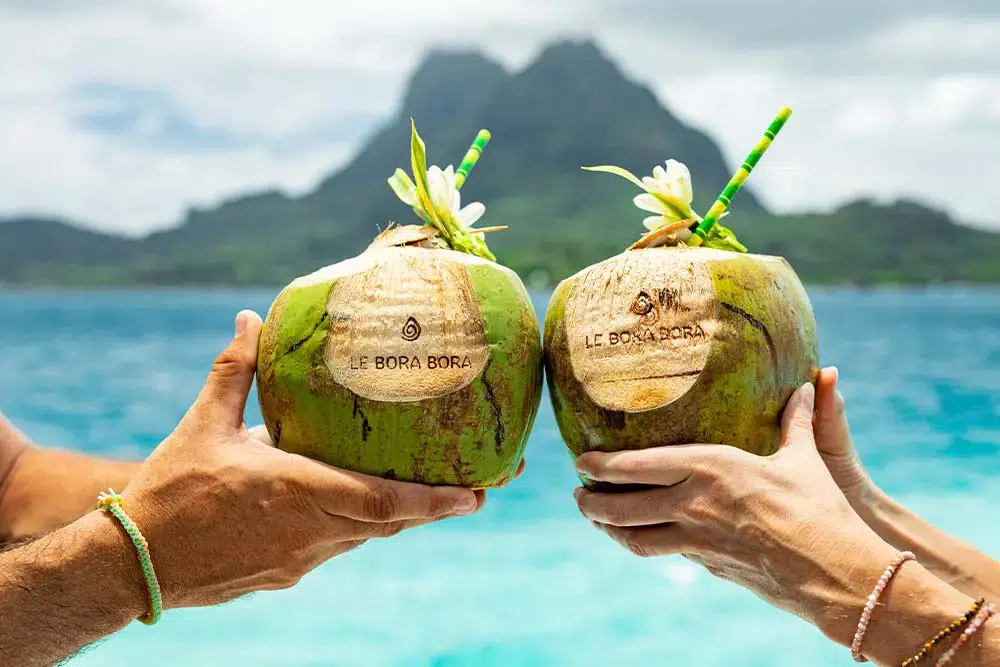
Moorea: The Obvious Alternative, Just Ten Minutes from Tahiti
Moorea is often the first response, and for good reason.
Its volcanic peaks, Cook’s Bay, and Opunohu Bay offer scenery that many visitors find even more spectacular than Bora Bora’s, with easy access from Tahiti (a 30-minute ferry crossing or a 10-minute flight).
The hotel offering is broad, ranging from boutique hotels to villas with private pools, and prices remain significantly more accessible than Bora Bora during peak season.
It’s an island equally suited to a honeymoon or a family stay.

Taha’a: The Vanilla Island, for Customers seeking Discretion
Less well known, Taha’a appeals to clients seeking exclusivity without the crowds. Nicknamed the vanilla island for its plantations that produce a share of Polynesian bourbon vanilla, it boasts a lagoon just as photogenic as Bora Bora’s, with far fewer visitors.
Private motus and small-scale hotel properties make it a destination well suited to couples seeking total intimacy, who are willing to prioritize authenticity over name recognition.

Huahine : The Wild, Authentic Island
Huahine has deliberately stayed on the margins of tourism development, and that’s precisely what makes it a strong selling point. Traditional villages, archaeological sites (marae), deserted beaches, and a welcoming population create a picture of Polynesia “before mass tourism.”
It’s particularly well suited to travelers who associate authenticity and understated luxury, rather than opulence and display.

Raiatea: Polynesia’s Cultural and Spiritual Birthplace
Raiatea doesn’t have as spectacular an outer lagoon as its neighbors, but it holds an asset few islands can claim: Polynesians regard it as the birthplace of their civilization, home to the UNESCO World Heritage site of Marae Taputapuatea. For clients drawn to meaningful travel (culture, spirituality, history) Raiatea offers a differentiating proposition, ideally paired with a lagoon stay on a nearby island such as Taha’a or Bora Bora itself.
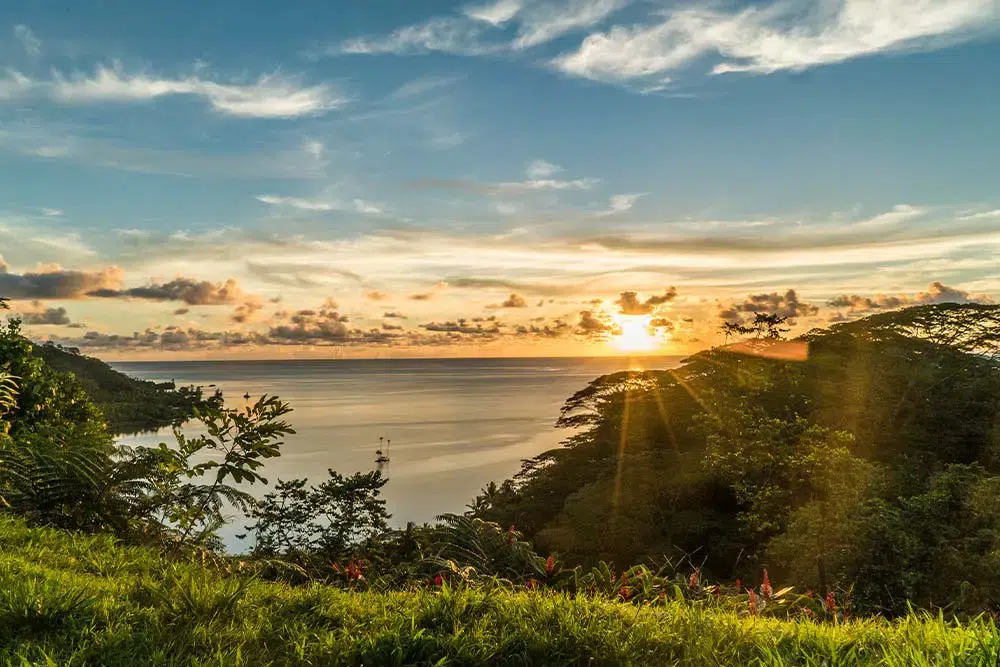
Tikehau and Rangiroa: The Open Waters of the Tuamotus
For clients seeking the exceptional rather than the classic, the Tuamotus offer a complete change of scenery. Rangiroa, one of the largest atolls in the world, and Tikehau, known for its “pink lagoon” and abundant marine life, appeal to clients drawn to diving, nature, and disconnection.
The hotel offering here is more exclusive and positioned at the high end, making it a consistent product for a premium clientele seeking rarity over renown.

Fakarava: The Biosphere Reserve That Speaks to Conscious Travelers
Designated a UNESCO Biosphere Reserve, Fakarava attracts clients who are environmentally conscious and want their trip to carry meaning.
The South Pass, known for its shark concentrations, makes it a destination of choice for serious diving enthusiasts, while the atoll’s unhurried pace of life appeals to those seeking a radical contrast to Bora Bora.
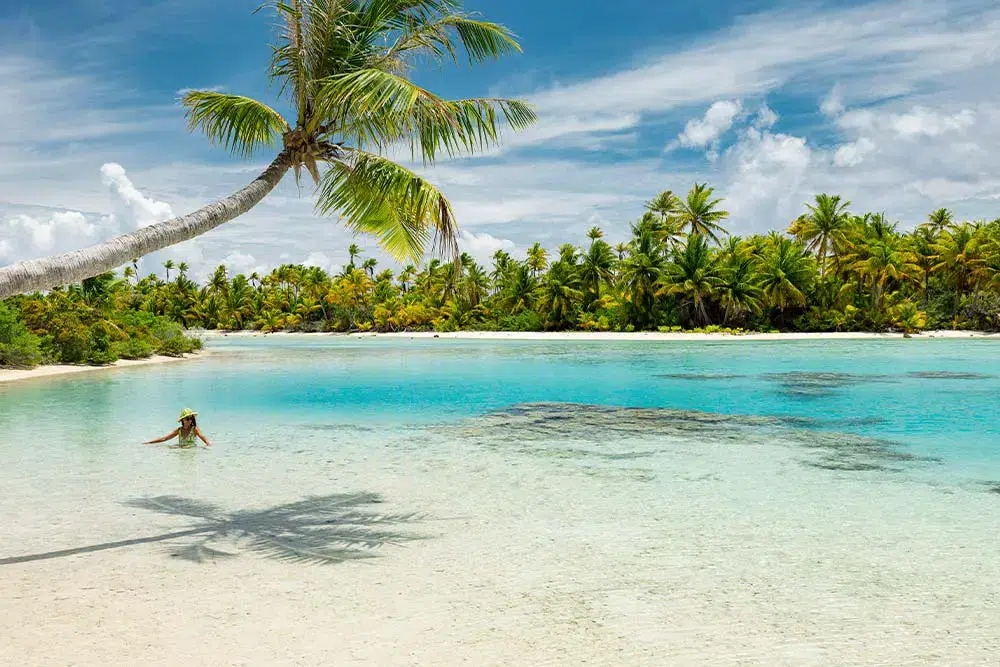
The Marquesas: For Clients Seeking Adventure
To move entirely away from the lagoon setting, the Marquesas offer a mountainous, wild, history-rich Polynesia, defined by steep cliffs and Marquesan archaeological sites.
It’s a niche product, but a particularly relevant one for travelers who have already experienced several stays in Polynesia and are looking for a different angle: hiking and culture rather than relaxation.

How to make the Case for these Alternatives to your Customers
For a travel advisor, the challenge isn’t to “sell down” by swapping one island for another, but to reframe the promise. It means identifying what the client is really projecting onto Bora Bora (romance, exclusivity, prestige, social status) and finding that same promise elsewhere, backed by its own arguments.
“That’s exactly where our role as a DMC comes in: giving agencies the material to tell the story of another island with just as much conviction. That means solid product knowledge, the right visuals, and experiences that speak for themselves.”
Combining two islands within a single stay, pairing a “signature” island like Bora Bora or Moorea with a more low-key one like Taha’a or Fakarava, also remains an effective strategy for meeting expectations while diversifying the experience.

In conclusion
Moving away from Bora Bora in your sales pitch doesn’t mean giving up on Polynesian exception : on the contrary, it’s an opportunity to reveal the diversity of a territory made up of more than one hundred inhabited Islands.
For travel professionals, better knowledge of these alternatives is a concrete commercial advantage, both during periods of peak demand and for retaining clients looking for something new.
Tahiti Tarevl Services supports its partner agencies in building this island-by-island product expertise.
✨FAQ
Which Polynesian island comes closest to the Bora Bora experience ?
Taha’a is generally cited as the closest alternative in terms of lagoon scenery, followed by Huahine for its intimate atmosphere.
Which alternative should be prioritized for a tighter budget ?
Moorea offers the best balance of natural spectacle, accessibility, and range of hotel options, with rates noticeably lower than Bora Bora’s during peak season.
Can several islands be combined within a single stay?
Yes, this is actually a common practice in French Polynesia.
A multi-island itinerary combining two or three complementary destinations often meets client expectations better than a single island alone.


![[taihiti travel services] tahiti cyclone season](https://db02d876.delivery.rocketcdn.me/wp-content/uploads/2025/01/p2_08_nuku-hiva_141129-nuku-hiva-079_copy-pierre-francois-grosjean_h.jpg)