Why setting Expectations is Essential for Family Travel in Polynesia
The key word here: anticipation.
Unlike couples, families involve:
- greater logistical constraints
- lower tolerance for stress and disruptions
- multiple expectations to balance (parents vs. children)
In a multi-island destination such as French Polynesia, where air and sea transfers are part of the journey, every detail matters.
1. Family Travel to French Polynesia
Many travelers arrive with a highly “Instagram-inspired” vision:
- an overwater bungalow as a given
- a single-island stay such as Bora Bora
- a seamless trip with no logistical constraints
In reality:
- not all resorts are well suited for children
- some islands are less practical for family travel
- transfers can be tiring, especially with young children
Role of the DMC: to realign expectations without diminishing the dream.
Example: positioning Moorea as a strategic alternative = easier access, wider range of activities, and a reassuring family-friendly environment.
2. Conduct an accurate client assessment from the quotation stage onward.
A successful itinerary begins with an accurate client assessment:
- How old are the children?
- Are they used to long-haul travel?
- What level of comfort and service do the parents expect?
- What balance are they seeking between activities and relaxation?
- What realistic budget are they prepared to allocate?
These insights help avoid itineraries that are overly ambitious or not suited to the family’s needs.

3. Adapting the pace of the journey: the key to a successful stay.
A common mistake is wanting to “see everything.”
In French Polynesia:
- inter-island flights take time
- repeated check-ins and check-outs can be tiring for children
- jet lag often has a significant impact
DMC recommendation:
- build in dedicated downtime daysMoins d’îles = meilleure expérience.
- limit the itinerary to 2 to 3 islands maximum
- allow a minimum of 3 nights per island

4. Selecting the right accommodations
Not all hotels are truly “family-friendly.” It is essential to :
- Some properties in Tahiti and Moorea are particularly well suited for families.
- Check child policies (minimum age, available activities)
- Ensure suitable room configurations are available (family bungalows, villas)
- Prioritize properties offering dedicated services (kids’ clubs, babysitting)
5. Anticipating logistics
This is where the value of a Destination Management Company (DMC) is at its highest.
Critical points to manage:
- inter-island flight connections
- waiting times with children
- boat and air transfers
- on-site assistance and support
Poor coordination immediately translates into stress for the family.
6. Family travel to French Polynesia pricing
A sensitive topic… but a decisive one.
A family trip to French Polynesia includes:
- high-cost international flights
- larger accommodation requirements
- multiple activities and experiences
The DMC’s role:
- clearly explain the cost structure
- suggest smart trade-offs and prioritization
- prevent any disappointment through transparent expectations management

7. Turning constraints into a differentiating experience
Do not sell a postcard, but a tailored experience.
Relevant alternatives include:
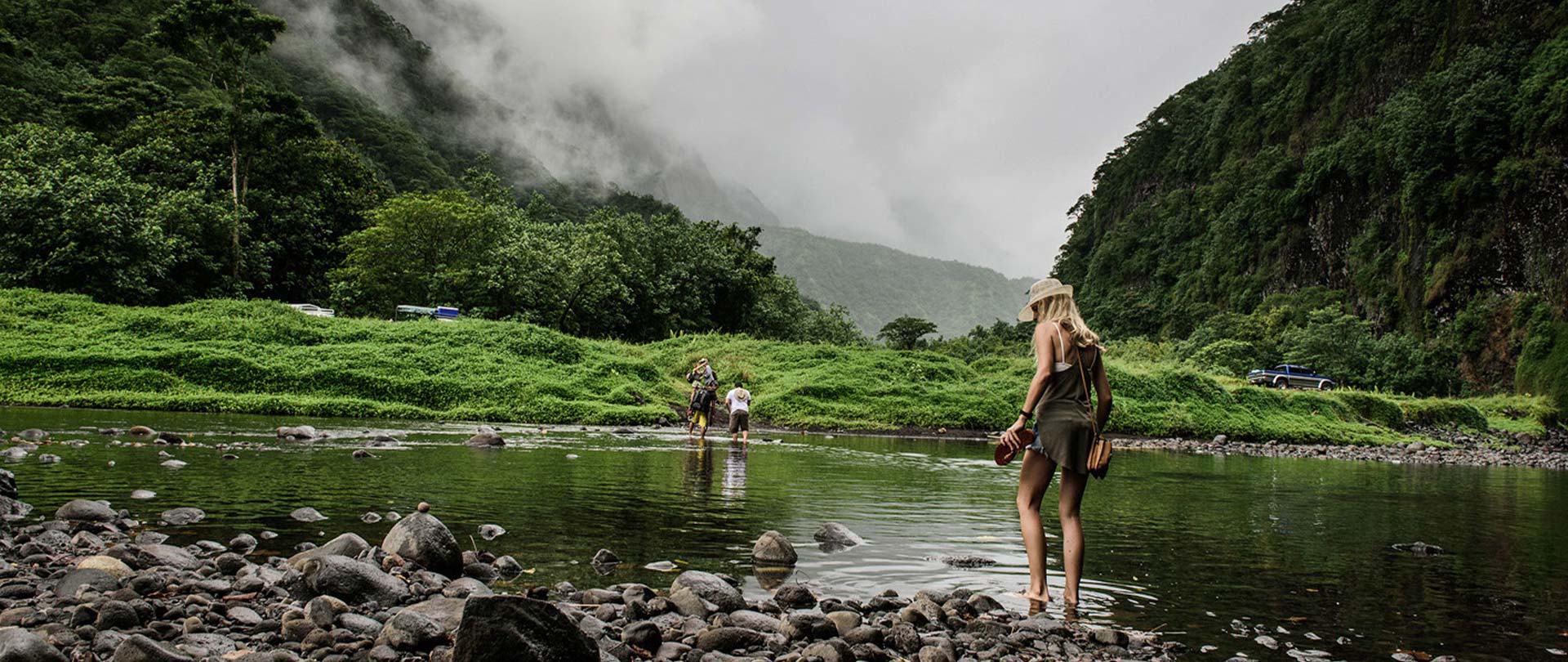
- easy snorkeling in shallow lagoon waters
- accessible nature excursions suitable for families
- authentic cultural discoveries with local communities
The result: a richer and more meaningful experience than the classic “Bora Bora cliché.”
8. Why use a Destination Management Company such as Tahiti Travel Services
Organizing a family trip to French Polynesia requires:
- in-depth knowledge of the islands
- flawless logistical coordination
- the ability to anticipate client expectations
This is precisely the role of a DMC: transforming a complex destination into a seamless, effortless experience.

In conclusion: proper planning means ensuring a secure, seamless experience.
A successful family trip to French Polynesia is not a matter of chance.
It relies on:
- careful management of expectations
- precise planning from the point of sale
- strong on-the-ground expertise
FAQ – Family Travel in French Polynesia
What is the best age to travel to French Polynesia as a family?
There is no single “ideal” age, but certain stages tend to be more comfortable depending on the travel style:
- 3 to 6 years old: ideal for relaxed stays in one or two islands, with simple activities and short excursions
- 7 to 12 years old: often the most balanced age range, combining curiosity, adaptability, and enjoyment of nature activities (snorkeling, boat trips, cultural visits)
- Teenagers: highly rewarding for active travel (diving, surfing, exploration), but may require more dynamic itineraries and autonomy
The key factor is not age alone, but the ability to adapt the itinerary (pace, number of islands, and activities) to the children’s rhythm and the family’s expectations.
Which island should you choose in French Polynesia when traveling with children ?
For a first family trip, Moorea is often the best choice:
- close to Tahiti
- easy access (ferry or short flight)
- a wide range of family-friendly activities
Bora Bora can also be considered, but it is generally better suited to couples or families with teenagers.
Are overwater bungalows suitable for children ?
It depends on the property and the age of the children, but they are not automatically the most practical option for families.
Key considerations:
- safety (direct access to water, railings, supervision requirements)
- age restrictions (some resorts do not allow young children in overwater villas)
- practicality (limited space, stairs, and direct lagoon access)
- comfort (logistics with luggage, meals, and movement can be less convenient)
In many cases, beach bungalows or garden villas are more suitable for families with young children, while overwater bungalows can be a great option for older children or teenagers under proper supervision.
What activities are suitable for children in French Polynesia ?
French Polynesia offers a wide range of family-friendly experiences, especially when activities are chosen with the right pace and safety in mind:
• Easy snorkeling in shallow lagoons: calm, protected waters where children can safely observe tropical fish
• Boat excursions with dolphin or whale watching (seasonal): short outings designed for comfort and observation
• Cultural visits to local villages and artisan workshops: interactive and educational experiences
• Nature walks and light hikes: accessible trails with scenic viewpoints, especially on Moorea
• Beach days and lagoon picnics: simple, relaxing moments with minimal logistics
• Wildlife encounters and educational tours: introducing children to Polynesian marine life and ecosystems
When well designed, these activities create a balanced itinerary combining discovery, relaxation, and family enjoyment without overloading the schedule.
How to avoid mistakes when selling a family trip ?
The key is to move from a “destination-first” approach to a “family profile-first” approach.
Main best practices:
- start with a precise client diagnosis (children’s ages, travel experience, expectations, budget)
- avoid overpromising or relying on standardized itineraries
- prioritize realistic pacing rather than maximizing the number of islands
- clearly explain logistics constraints (inter-island flights, transfers, jet lag) from the outset
- recommend only truly suitable accommodations and activities
- manage expectations early to prevent disappointment later
In family travel, most mistakes come not from the destination itself, but from poor framing at the time of sale.